
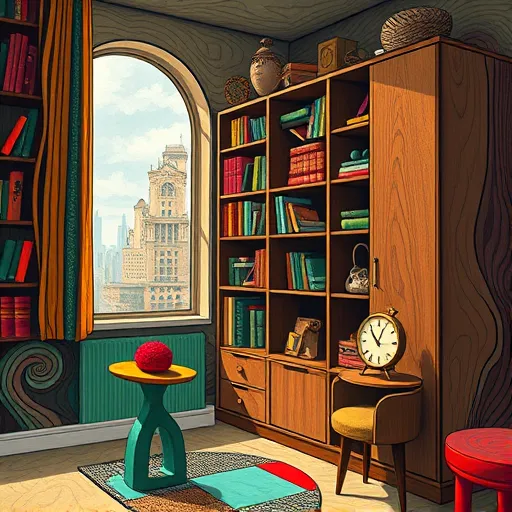
Custom Built-Ins: Discover the Timeless Elegance in Architectural History
What Are Custom Built-Ins and How Did They Originate in Architectural History?
Custom built-ins have long been celebrated for their ability to harmonize functionality and artistry within living spaces. Tracing their origins back to early architectural traditions, these handcrafted elements emerged as practical solutions before evolving into coveted design statements. From the intricate bookcases of Victorian libraries to the elegantly integrated cabinetry in Colonial homes, custom built-ins reflect a persistent desire to optimize space while elevating the aesthetic appeal.
Historically, these features weren’t merely decorative; they were essential to the efficient use of limited space, especially in urban dwellings or grand estates where symmetrical balance and detailed craftsmanship defined an era. Over centuries, the approach to custom built-ins has transformed, blending evolving stylistic trends with innovations in woodworking and design technology.
How Have Custom Built-Ins Enhanced Home Restoration and Remodeling Over Time?
The resurgence of interest in home restoration underscores the timeless allure of custom built-ins. During restoration projects, these pieces serve as anchors that preserve original architectural integrity while adapting the home to modern lifestyles. Whether restoring a historic mansion or updating a modest early 20th-century abode, integrating custom built-ins helps maintain authenticity.
In remodeling projects, particularly those focused on kitchens and living spaces, custom built-ins allow homeowners to maximize storage without sacrificing design coherence. The collaboration between traditional craftsmanship and contemporary materials has propelled the relevance of these features, ensuring that each built-in resonates with the home’s original spirit while serving current needs.
Why Have Custom Built-Ins Remained a Popular Choice Throughout Different Architectural Periods?
Several factors contribute to the enduring popularity of custom built-ins across eras. Primarily, their inherent versatility enables them to adapt to various design languages—from the ornate baroque to the sleek mid-century modern aesthetic. Homeowners and architects alike value the tailored functionality that built-ins provide, seamlessly integrating storage, display, and structural elements.
Moreover, custom built-ins often feature exquisite woodwork and fine details that exemplify an artisan’s skill, lending a sense of permanence and luxury to interiors. Their presence often elevates a home's character, signaling attention to detail and an appreciation of craftsmanship.
How Can Custom Built-Ins Transform Modern Living Spaces Today?
In contemporary home design, custom built-ins perform dual roles: enhancing efficiency and cultivating individuality. Whether incorporated into a kitchen, library, or living room, these features extend beyond practical storage to become focal points that define space usage. For example, integrating bespoke shelving into a reading nook creates a sanctuary that reflects personal taste and historical influence.
Investing in custom built-ins during home remodeling allows homeowners to tailor spatial configurations, reduce clutter, and introduce architectural interest. This deliberate craftsmanship can transform standard layouts into distinguished environments that celebrate both form and function.
Which Materials and Techniques Have Historically Defined Custom Built-Ins?
Wood has traditionally been the material of choice for custom built-ins due to its durability, versatility, and natural beauty. Various species—from rich mahogany and cherry to oak and walnut—have been employed to complement different architectural styles. Techniques such as carved moldings, paneling, and inlays have highlighted the intricate skill of woodworkers through the ages.
In some historical contexts, built-ins incorporated ironwork, glass panes, and even textiles to diversify texture and enhance visual interest. Modern adaptations may utilize engineered wood or incorporate innovative finishing techniques while retaining the classic influence emblematic of historical craftsmanship.
What Are the Key Benefits of Installing Custom Built-Ins in Your Home?
- Maximized Efficiency: Tailored to fit specific spaces, custom built-ins optimize unused corners and niches often overlooked in traditional furniture layouts.
- Enhanced Aesthetic Appeal: Seamlessly blending with architectural styles, they add a refined, cohesive look that raises the overall home value.
- Durability and Longevity: Crafted from quality materials with attention to detail, these features withstand the test of time, preserving both function and beauty.
- Personalization: Each piece reflects the homeowner’s unique style and lifestyle, making spaces feel more intimate and thoughtfully designed.
How Do Custom Built-Ins Complement Other Renovation Services?
Custom built-ins work synergistically with various home improvement projects. During a carpentry services engagement, craftsmen can incorporate built-ins that unify new constructions with existing elements. For kitchen or bathroom remodeling, these features provide a seamless transition between cabinetry and architectural framework.
Integrating built-ins during comprehensive renovations, such as whole-house transformations, ensures storage and aesthetic goals are woven directly into the fabric of the home rather than applied as an afterthought. This approach results in more harmonious, enduring designs.
Frequently Asked Questions About Custom Built-Ins
What distinguishes custom built-ins from standard furniture?
Custom built-ins are permanently affixed structures designed specifically for the dimensions and architecture of a space, offering tailored functionality and a close connection to the home’s design. In contrast, standard furniture is freestanding and often mass-produced without adaptation to specific spaces.
Can custom built-ins be added to older homes without compromising historical value?
Yes, when designed and executed thoughtfully, custom built-ins can enhance the historical character of older homes by complementing existing architectural details rather than overshadowing them. Skilled restorers and craftsmen ensure sensitivity to original materials and styles.
How do I decide what type of custom built-ins are best for my home?
Consider the specific needs of your space, including storage requirements, architectural style, and daily lifestyle habits. Consultation with experienced professionals, such as those specializing in custom built-ins, can guide you toward designs that balance practicality and beauty.
Are custom built-ins a good investment for homeowners?
Custom built-ins typically increase both the functionality and aesthetic appeal of a home, contributing to higher property value and homeowner satisfaction. Their lasting durability and bespoke qualities often make them wise investments.
How long does it take to design and install custom built-ins?
Timelines vary based on project complexity, materials, and craftsmanship involved but generally range from several weeks to a few months. Early stages include design consultations and measurements, followed by fabrication and installation.
In conclusion, the timeless allure of custom built-ins lies not only in their historical significance but also in their ability to adapt and enrich homes across generations. Their thoughtful integration underscores a commitment to quality, style, and enduring functionality. Whether restoring a classic residence or reimagining a modern space, custom built-ins remain a vital tribute to architectural elegance and practical innovation.